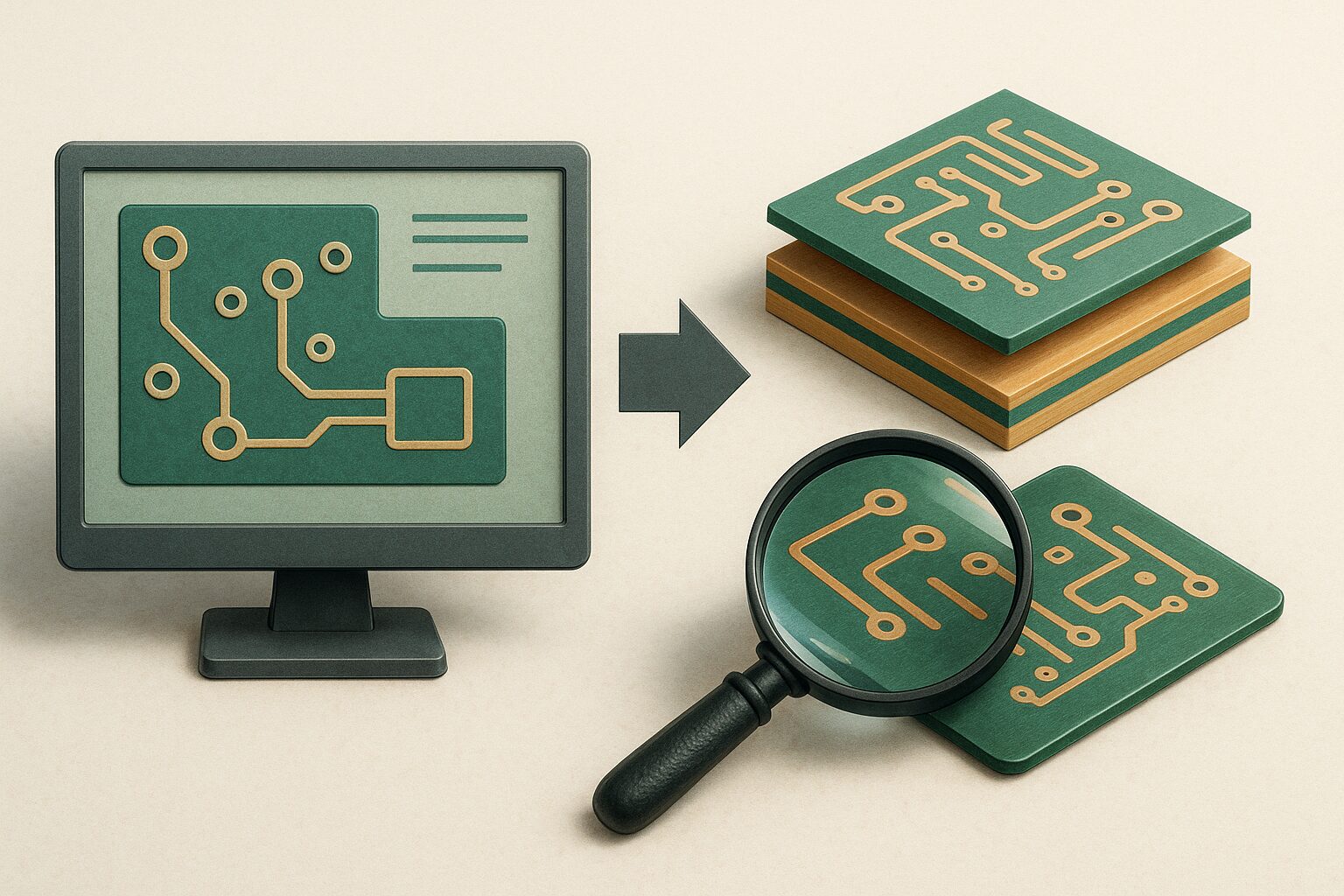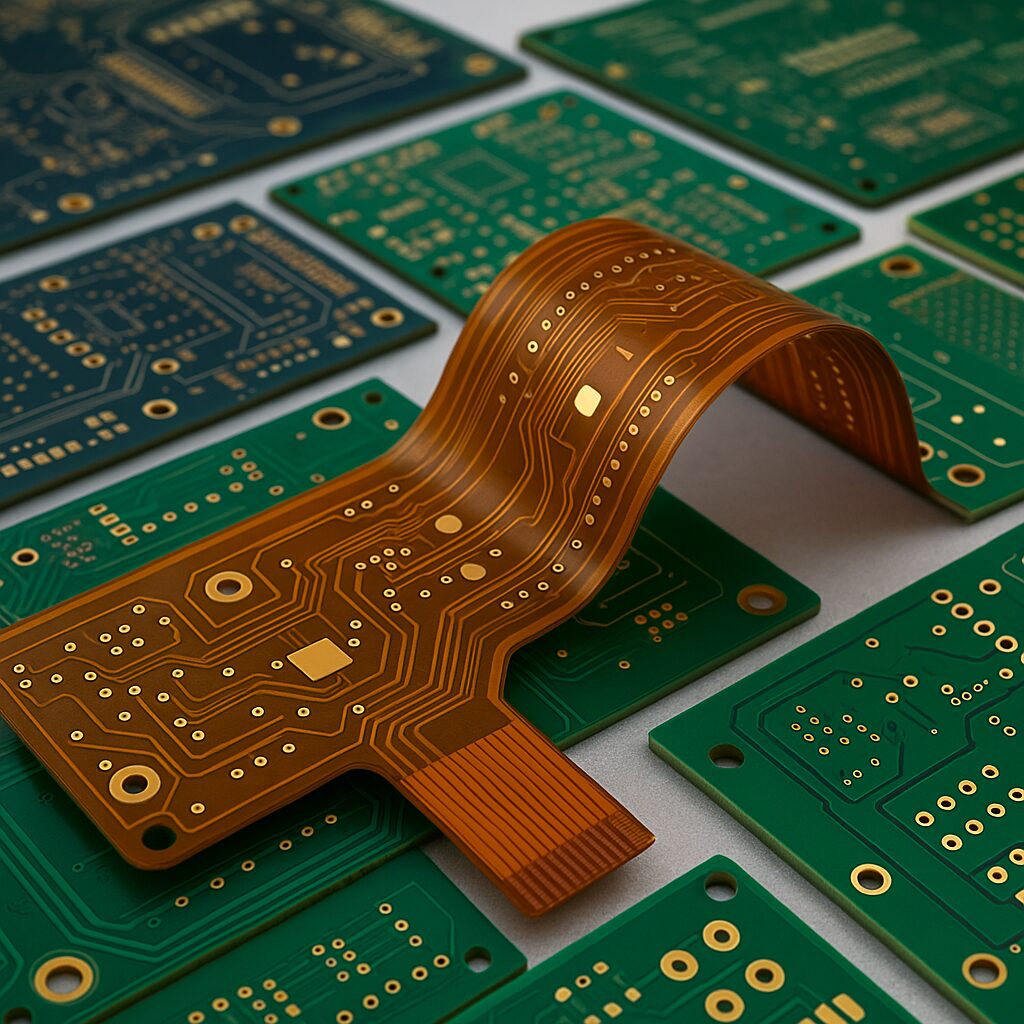


Bookbinding refers to the slight offset of flexible layers within a rigid-flex PCB stackup to reduce mechanical stress during bending. This technique prevents buckling or wrinkling in the flex area, improving long-term reliability in dynamic flex applications.
Frequently Asked Questions
Frequently asked PCB manufacturing and assembly questions
Flex, Rigid-Flex
-
-
Flex and rigid-flex designs rely on polyimide films, adhesiveless copper foils, and specialized coverlays for flexibility and durability. Material selection affects bend radius, thermal performance, and electrical stability, making it a critical part of the design process.
-
Yes. Summit offers full assembly services for both flex and rigid-flex PCBs, including component placement, soldering, and inspection. We follow IPC-A-610 workmanship standards and use specialized fixturing and handling processes to protect flexible circuits during assembly.
-
Rigid-flex PCBs eliminate connectors and cables between rigid sections, reducing weight, improving signal integrity, and enhancing mechanical reliability. They are ideal for compact, high-reliability systems like medical devices, aerospace electronics, and wearable tech.
-
Yes. Summit has extensive experience producing multi-layer rigid-flex PCBs with complex layer counts, multiple flex sections, and precise bend requirements. Our engineering team works closely with customers to optimize stackups, material usage, and manufacturability.
About Summit

News