
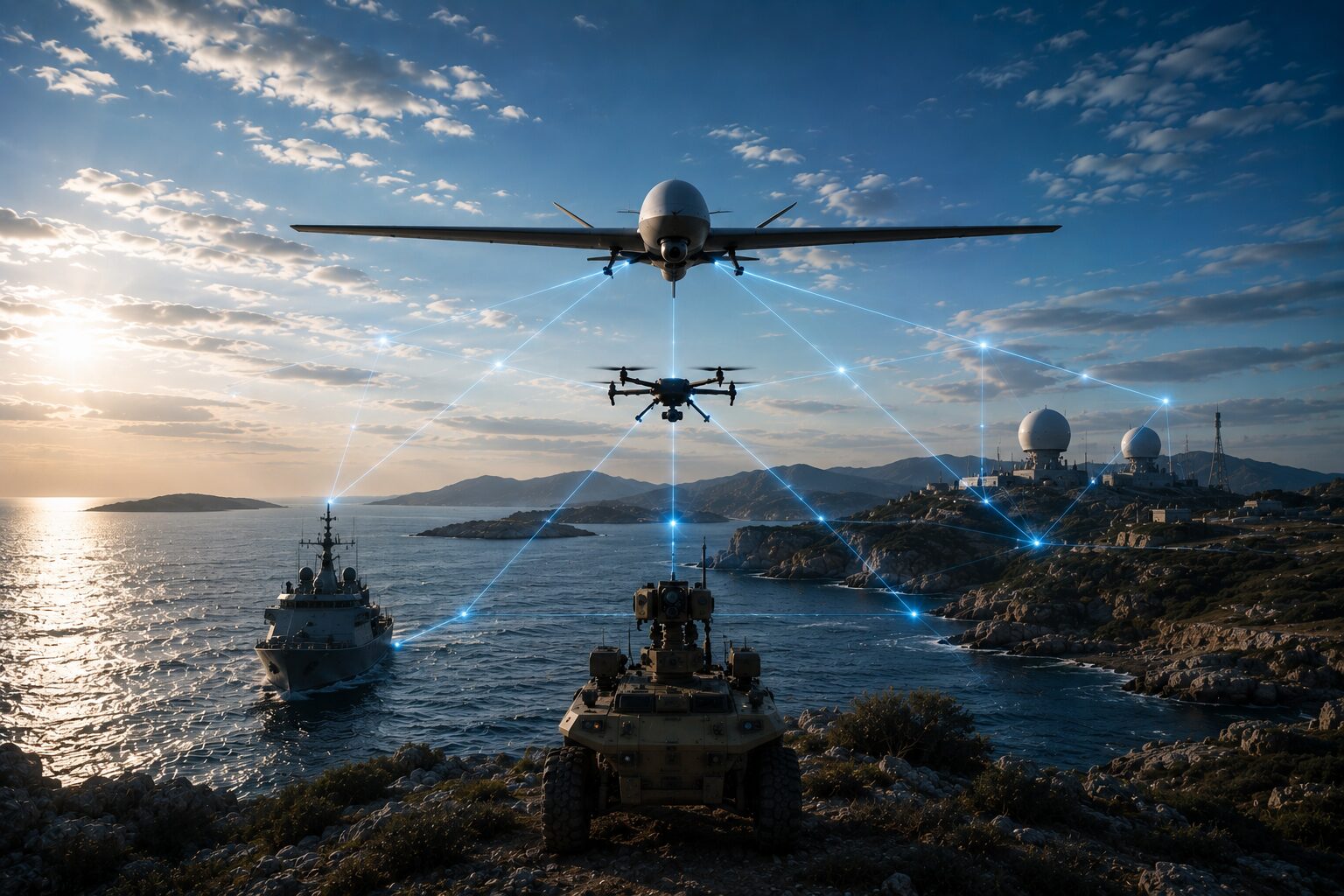
Autonomous systems are rapidly reshaping the defense landscape. Unmanned aerial systems, autonomous maritime vessels, robotic ground vehicles, loitering munitions, and AI-enabled sensing platforms are becoming integral components of modern military operations. Much of the attention surrounding these technologies focuses on software, artificial intelligence, sensors, and mission capability. Yet beneath every autonomous platform is a critical technology that rarely makes headlines: the electronics hardware that enables autonomy to function.
Artificial intelligence may serve as the brain of an autonomous system, but advanced printed circuit boards form the foundation that allows those capabilities to operate reliably in the field.
As defense contractors and emerging technology companies develop increasingly sophisticated autonomous platforms, PCB technology is evolving alongside them. Higher processing demands, shrinking form factors, complex RF architectures, and challenging operating environments are driving new requirements for both PCB design and manufacturing.
The Demand for Computing at the Edge
Autonomous systems must process and react to information in real time. Whether a drone is navigating a contested environment, a loitering munition is identifying targets, or an autonomous maritime platform is conducting surveillance, decisions often cannot wait for remote processing.
This shift places significant computing power directly onboard the platform.
Modern autonomous systems collect and analyze data from multiple sources simultaneously, including radar, electro-optical sensors, infrared cameras, GPS receivers, communications systems, and electronic warfare equipment. AI algorithms must process this information while meeting strict size, weight, power, and cost (SWaP-C) requirements.
Supporting these capabilities requires advanced PCB architectures capable of handling high-speed digital processing, memory-intensive applications, power management, and signal integrity challenges within increasingly compact designs.
The challenge extends well beyond component placement. Designers must create electronics platforms capable of processing enormous amounts of data while maintaining reliability in harsh military environments.
Miniaturization Drives PCB Innovation
Most autonomous systems operate under significant size and weight constraints. Every ounce saved can increase range, endurance, payload capacity, or mission effectiveness.
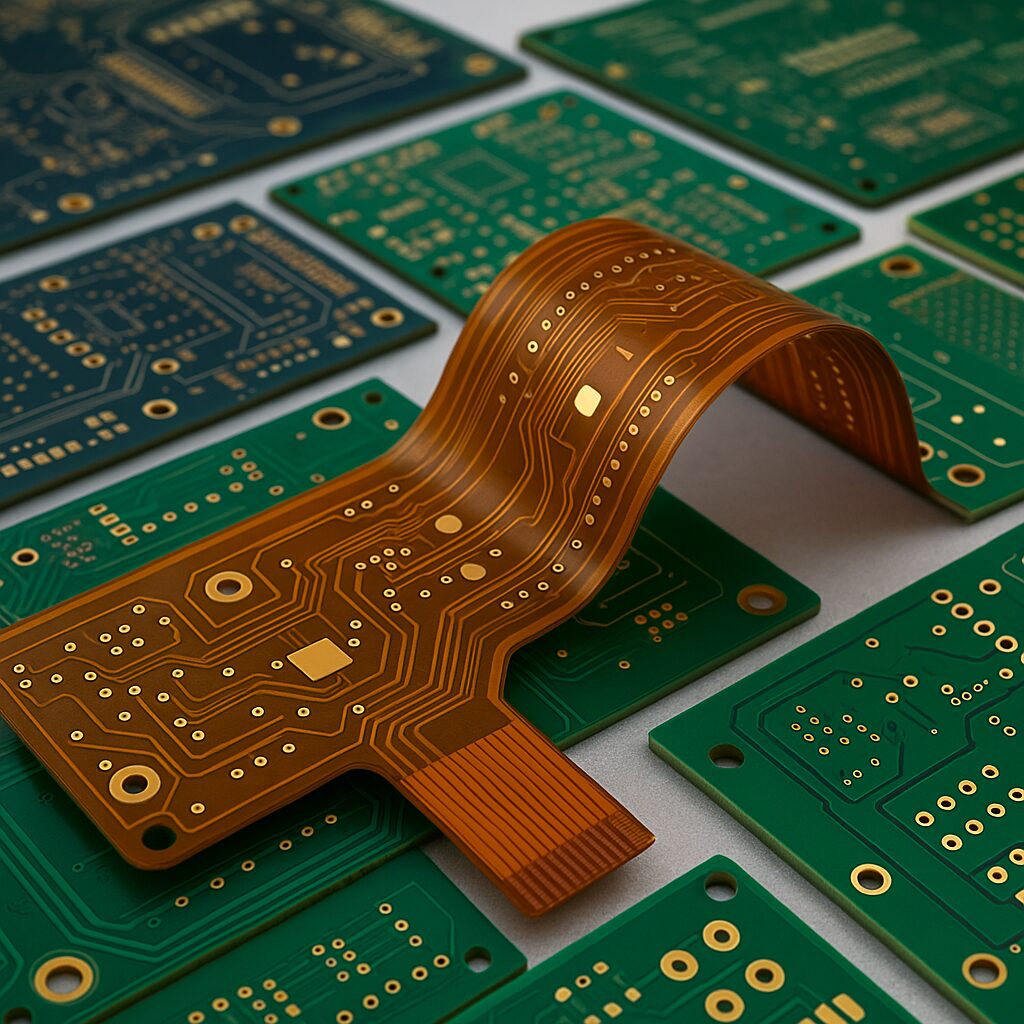
These demands have accelerated the adoption of high-density interconnect (HDI) and ultra-high-density interconnect (uHDI) technologies throughout defense electronics.
Microvias, sequential lamination, fine-line circuitry, and advanced stack-up configurations allow engineers to integrate greater functionality into smaller footprints. Complex systems that once required multiple circuit boards can often be consolidated into fewer assemblies, reducing weight and improving overall system efficiency.
The benefits extend beyond miniaturization. Shorter signal paths can improve electrical performance, while reduced assembly complexity may enhance long-term reliability.
For autonomous defense systems, these advantages translate directly into operational capability.
Thermal Management Is a Performance Requirement
Computing power comes with a cost: heat.
AI accelerators, FPGAs, graphics processors, high-speed memory devices, and advanced communications hardware generate substantial thermal loads. Excessive temperatures can degrade performance, shorten component life, and increase the likelihood of mission failure.
Thermal management has become a primary design consideration in autonomous systems.
PCB material selection, copper balancing, thermal via structures, stack-up design, and heat-spreading strategies all contribute to system performance. Engineers must address thermal challenges early in the development process rather than treating them as secondary considerations.
Originally published by I-Connect007 as part of the “Beyond the Board” column by Jesse Vaughan. Read his other columns here.