PCB Directory interviewed Shane Whiteside, founder, President, and CEO of Summit Interconnect. With more than 30 years of experience in the printed circuit board and electronics manufacturing industry, Whiteside discussed Summit Interconnect’s manufacturing operations, technical capabilities, investments, support for aerospace and defense applications, supply chain considerations, and the company’s approach to domestic PCB manufacturing.
The interview covers Summit Interconnect’s development since its formation in 2016 through the acquisition of KCA Electronics and Marcel Electronics International, as well as its expansion through eight acquisitions. Whiteside explained the company’s approach to operating seven manufacturing facilities across the U.S. and Canada, with individual sites supporting different technologies and production requirements.
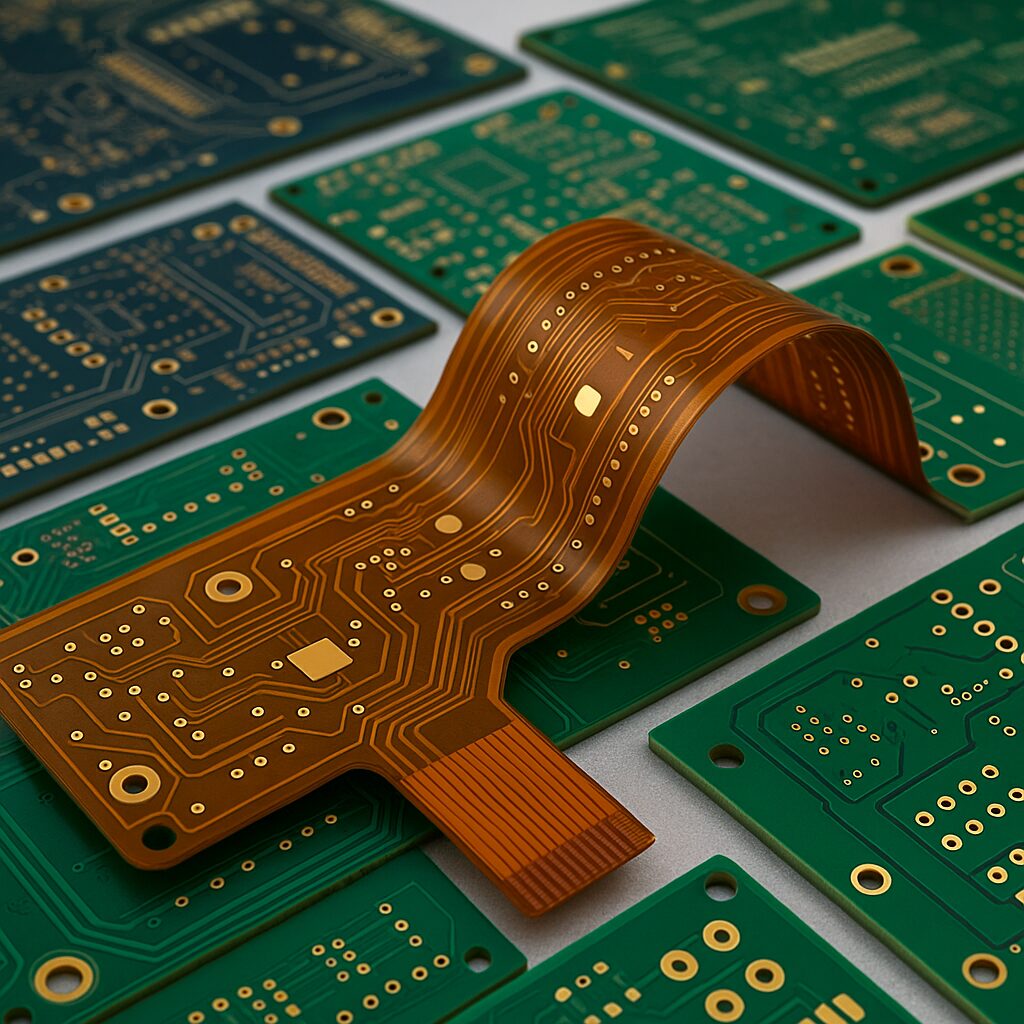
Whiteside also discussed Summit Interconnect’s technical capabilities, including rapid prototyping, complex HDI, RF and microwave, rigid-flex, and high-reliability production. The conversation addressed how the company coordinates engineering and manufacturing teams across its facilities and how programs can move from prototype production to higher-volume manufacturing.
Q. To start, can you introduce Summit Interconnect to our readers—what the company does and the core markets it serves?
Shane Whiteside: Summit Interconnect is one of North America’s largest privately held printed circuit board manufacturers. We operate seven manufacturing facilities across the U.S. and Canada, supporting customers from quick-turn prototypes through full-scale production across a broad range of technologies and industries.
What we’ve really built over the last ten years, though, is a manufacturing platform. Each facility brings its own strengths, which allows us to support everything from commercial and industrial electronics to some of the industry’s most demanding aerospace, defense, medical, semiconductor, and emerging technology applications. No matter the market, our focus is the same: deliver quality products, solve problems, and be the kind of manufacturing partner our customers can count on.
Q. Summit Interconnect was formed in 2016 through the merger of KCA Electronics and Marcel Electronics and has since expanded through eight acquisitions. What was the vision behind this growth strategy, and how do you maintain a consistent culture across your manufacturing sites?
Shane Whiteside: The goal was never simply to become a larger PCB manufacturer. The objective was to build an organization with technical depth, geographic reach, and manufacturing capabilities to support customers across the full product lifecycle.
Every acquisition had to make us stronger. Some expanded our technology portfolio, others added capacity or introduced talented teams with decades of experience. Today we have facilities that specialize in different technologies, but they all operate under the same philosophy—deliver quality products, be responsive, and build long-term customer relationships. That’s what ties the company together more than anything else.
Q. What do you see as Summit Interconnect’s core technical strengths, and where do you believe the company differentiates itself from other PCB manufacturers?
Shane Whiteside: One of our biggest strengths is that we don’t rely on a single facility to do everything. We’ve intentionally developed centers of excellence across our organization. Some sites specialize in rapid prototypes, others in complex HDI, RF and microwave, rigid-flex, or high-reliability production.
For customers, that means they have one manufacturing partner with access to a broad range of technologies. Just as importantly, they have engineering teams that work together across the company. If a program requires expertise from multiple facilities, we bring those people together instead of asking the customer to figure it out.
Q. PCB technology continues to evolve with increasing layer counts, HDI, RF/microwave, and rigid-flex designs. How has Summit Interconnect expanded its manufacturing capabilities to keep pace with these changing customer requirements?
Shane Whiteside: The technology isn’t standing still, so neither can manufacturers. Over the last several years, we’ve continued investing in new equipment, automation, imaging technologies, and process improvements across our facilities to support increasingly complex PCB designs.
But equipment is only part of the equation. Our engineering teams are just as important. As designs become more sophisticated, early collaboration between our engineers and our customers helps avoid manufacturing issues later and ultimately results in better products.
Click here to read the full interview on PCBDirectory.com