Your connection to advanced PCB manufacturing

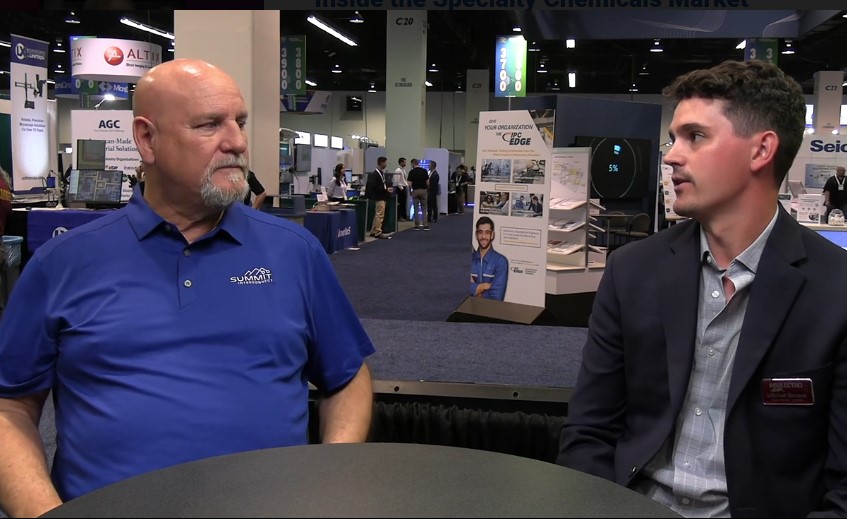
At IPC APEX EXPO 2025, Gerry Partida, VP of Technology at Summit Interconnect, sat down with Andy Shaughnessy, to discuss a critical yet often overlooked aspect of PCB manufacturing: sustainability. The conversation explored the impact of design choices on sustainability, and the importance of collaboration between designers and fabricators.
The Overlooked Role of Sustainability in PCB Design
While many companies are now asking about sustainability initiatives, few designers actively consider the environmental impact of their designs. Summit Interconnect actively works to reduce its environmental footprint. For instance, the company recently installed new lamination presses that use induction and magnetic fields instead of traditional hot oil boiler presses. These advanced systems consume only 20% of the energy compared to older methods, significantly reducing the environmental footprint.
However, Partida noted that customers often don’t consider sustainability in their designs. In many cases, Summit analyzes a PCB design only to find that poor design choices reduce yield to 50%, forcing manufacturers to double production efforts, doubling energy consumption, material usage, and labor costs. This inefficiency highlights the need for early collaboration between designers and fabricators.
How Design Choices Impact Sustainability
One major takeaway from the discussion is that many designers are unfamiliar with fabrication standards and guidelines. Partida shared an example where a group of PCB designers was asked if they had read the industry’s design guidelines, and fewer than 20% had done so. Without this knowledge, designers inadvertently create complex and inefficient layouts, leading to increased scrap rates, excessive material usage, and unnecessary production strain.
By following PCB design standards for rigid, flex, and RF boards, designers can:
- Improve yield efficiency, reducing waste.
- Enhance reliability and performance while using fewer resources.
- Lower manufacturing costs by avoiding unnecessary rework.
Collaboration: The Key to Smarter, Sustainable Design
A recurring theme in the conversation was the importance of communication between designers and fabricators. Many sustainability issues arise when designers bend the rules without understanding fabrication limitations. Partida encouraged designers to work closely with fabricators early in the process, ensuring that minor adjustments can be made without compromising efficiency, compliance, or manufacturability.
He shared an example where a client tried to fabricate a board with unrealistic standards, only realizing too late that they needed to redesign their approach. By engaging fabricators early, design teams can avoid costly mistakes and ensure that PCBs are built efficiently and sustainably.
The Future of Sustainable PCB Design
As the PCB industry evolves, sustainability is becoming an essential factor in manufacturing, supply chain management, and design processes. Summit Interconnect is leading the way by investing in:
- Energy-efficient manufacturing techniques.
- Automated systems to reduce waste.
- Training initiatives to educate designers on sustainability best practices.
Partida closed the discussion by encouraging PCB designers to take a more proactive approach to sustainability, not only for the benefit of manufacturers but also for cost savings and long-term industry success.

At the IPC APEX EXPO 2025, Mike Trammell of Summit Interconnect joined Mitchell Benson to discuss the future of PCB technology. Their conversation covered the latest advancements in PCB manufacturing, the push for miniaturization, and the increasing role of automation in the industry.
Breaking Micron Barriers with Advanced Materials
Summit Interconnect is leading the charge in high-density PCB manufacturing by pushing past traditional limitations.
Most manufacturers stop at 75-micron line and space dimensions, but Summit is currently operating at 40 microns and working towards achieving 30 microns. This miniaturization is critical for industries requiring ultra-high-density interconnects (HDI), including aerospace, defense, and next-gen consumer electronics.
To reach these new milestones, Summit is investing in advanced materials such as new dry films, high-performance laminates, and innovative substrates.
Next-Level Automation and Precision Engineering
Summit’s commitment to automation is revolutionizing PCB manufacturing. The company has implemented advanced imaging systems capable of imaging down to 18 microns, with plans for further refinements.
Key investments include:
- Automated direct imaging systems for superior precision.
- Advanced etching systems across multiple facilities.
- Fully automated production lines integrating robotics, AI algorithms, and Industry 4.0 solutions.
Summit expects new automation to be operational within the next three months, demonstrating the rapid pace at which the company is embracing automation.
The Role of Young Engineers in the Industry’s Future
A crucial part of Summit’s success lies in attracting and developing young engineering talent. Trammell emphasized the importance of bringing in fresh minds, mentoring them, and integrating them into the company’s cutting-edge engineering culture.
Summit’s internal training program, combined with IPC’s educational initiatives, helps groom young professionals not just in engineering but in the company’s culture and innovation mindset.
A Call to Action for Future Engineers
The conversation concluded with a strong message for young professionals considering a career in the PCB industry.
Trammell reassured them: “You’ll never be out of work. You’ll never be bored. The days will go by fast.”
For those who love hands-on problem-solving and want to work with cutting-edge technology, the PCB industry offers limitless opportunities.
Summit Interconnect: Leading the Way
With continued investments in advanced materials, miniaturization, and full automation, Summit Interconnect is paving the way for the future of PCB manufacturing.
As the company pushes past current limitations, it’s clear that Summit’s innovations will continue shaping the industry for years to come.